Architecture
This document explains the internal design of the Range Reader library, detailing how it achieves a unified API across diverse storage backends.
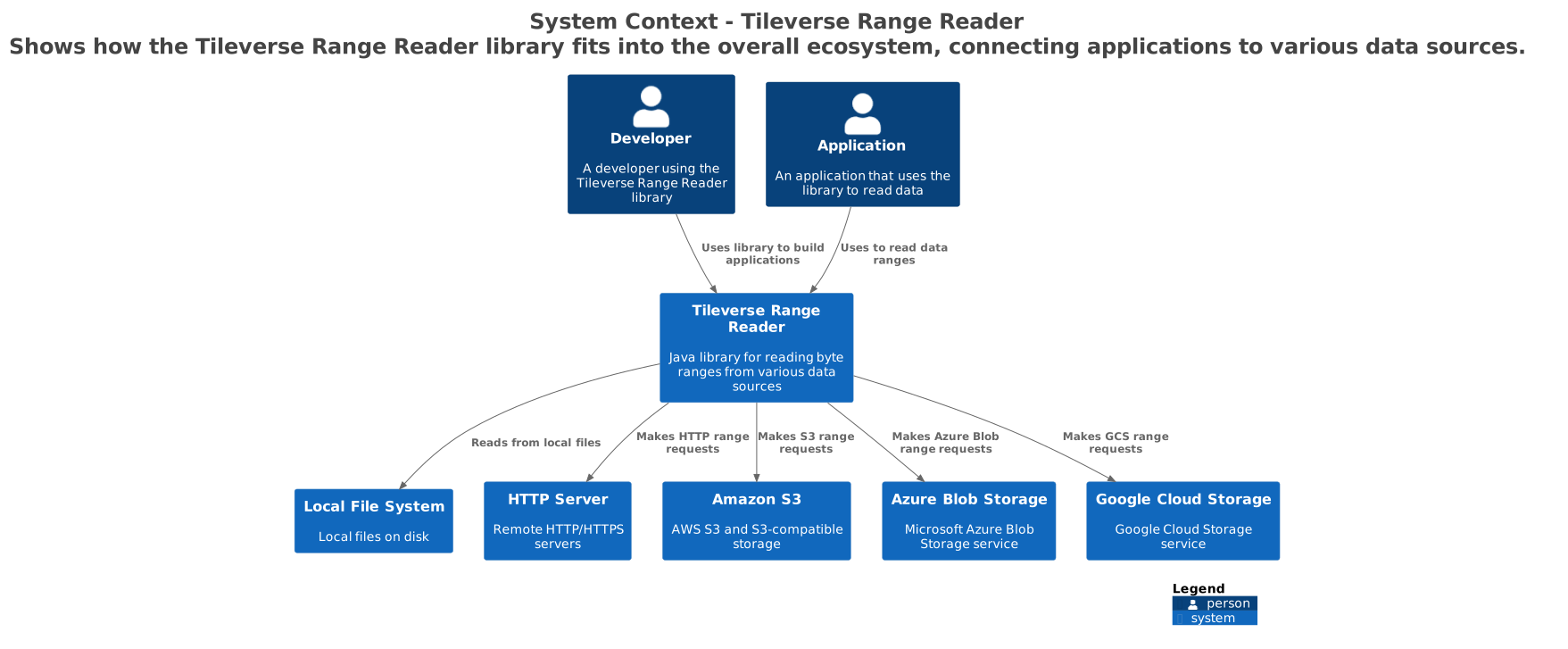
Core Design
The library is built around a single, synchronous interface: RangeReader.
public interface RangeReader extends Closeable {
    // The fundamental atomic operation
    int readRange(long offset, int length, ByteBuffer target) throws IOException;

    // Metadata
    long size() throws IOException;
    String getSourceIdentifier();
}
Design Decisions
- Synchronous API: We chose a blocking API over
CompletableFutureor Reactor. This simplifies the implementation of complex logic (like caching and retries) and aligns with Java'sFileChanneland standardInputStreampatterns, which are what most format parsers expect. - ByteBuffers: All data transfer happens via
java.nio.ByteBuffer. This allows for off-heap storage, direct memory mapping, and efficient I/O operations without unnecessary array copying. - Thread Safety: All implementations must be thread-safe. State (like connection pools) is shared, but individual read operations are isolated.
Implementation Hierarchy
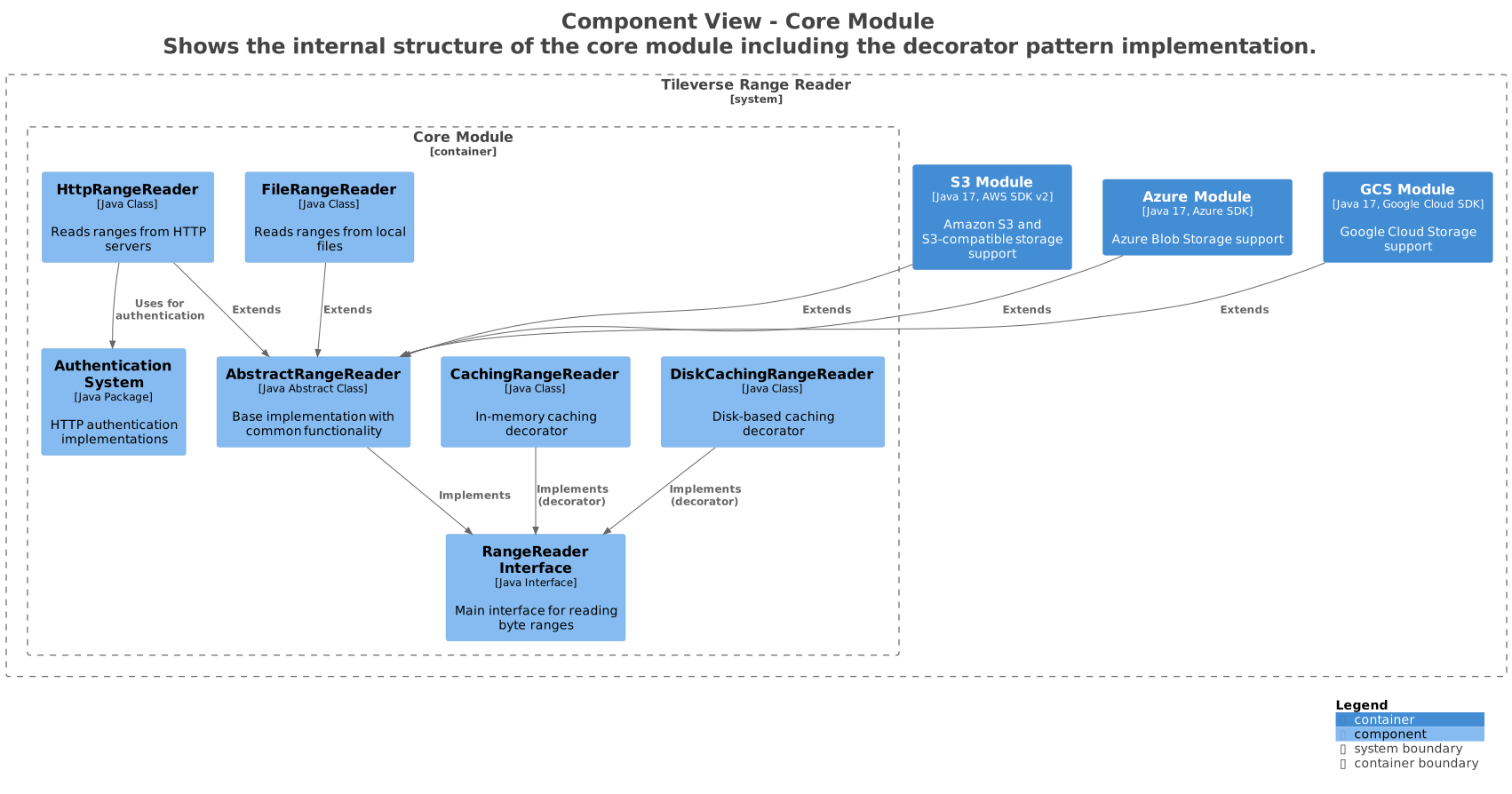
Base Layer: AbstractRangeReader
This abstract class handles the boilerplate:
- Argument validation (bounds checks).
- Buffer handling (position management, slicing).
- Template pattern: delegates the actual byte fetching to
readRangeNoFlip.
Backend Layer
These classes implement the actual network/disk I/O:
FileRangeReader: WrapsFileChannel. Uses OS page cache.HttpRangeReader: Usesjava.net.http.HttpClientto issueGETrequests withRangeheaders.S3RangeReader: Wraps AWS SDK v2. Maps exceptions to standardIOException.Azure/GCS: Similar wrappers for their respective SDKs.
Decorator Layer
We use the Decorator pattern to add behaviors without modifying backends.
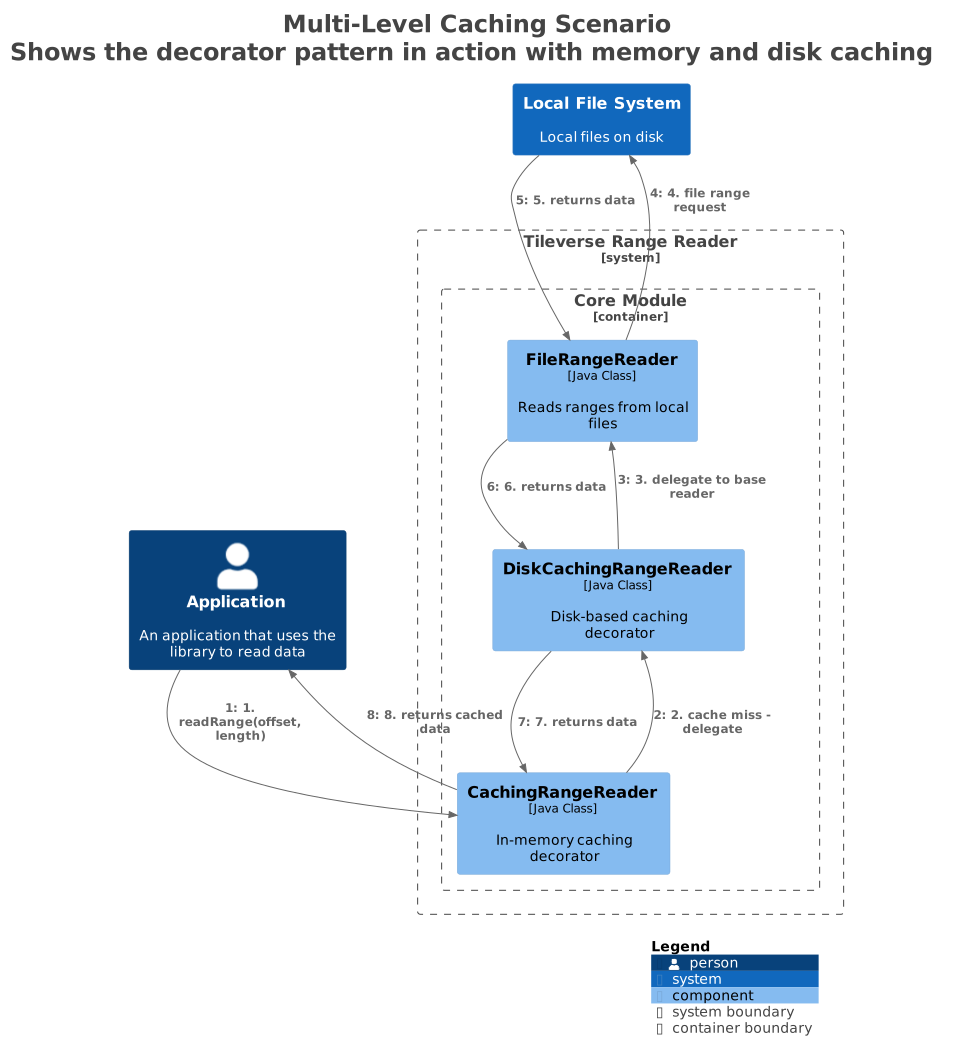
CachingRangeReader: InterceptsreadRange. Checks in-memory Caffeine cache. If miss, calls delegate, caches result, returns data.DiskCachingRangeReader: Similar to above, but persists to a local file store.BlockAlignedRangeReader: Expands arbitrary read requests (e.g., "bytes 100-150") to align with specific block boundaries (e.g., "bytes 0-4096"), optimizing cache hit rates.
Runtime View
The runtime view describes the dynamic behavior of the library.
Basic File Range Reading

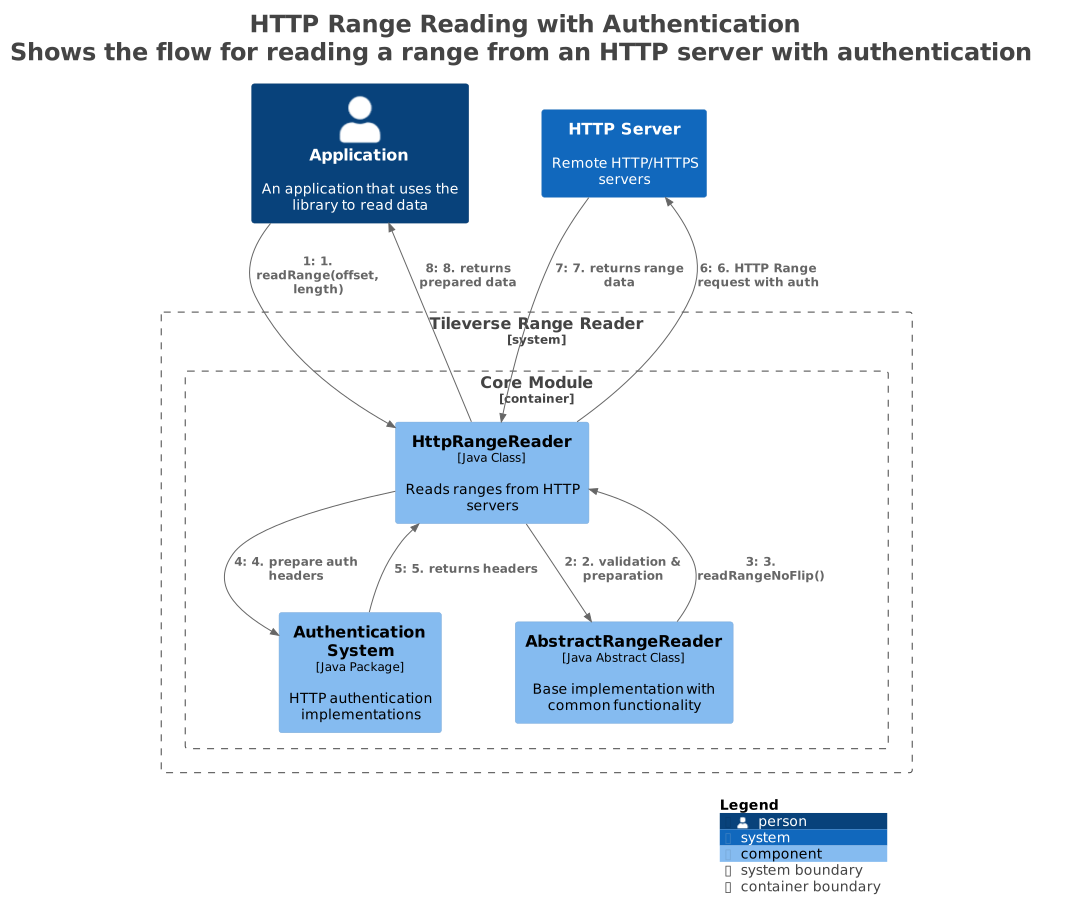
HTTP Range Reading with Authentication
Multi-Level Caching Scenario
Service Provider Interface (SPI)
To support dynamic loading (e.g., for configuration-driven applications), we expose a RangeReaderFactory.
- Discovery: Uses
java.util.ServiceLoaderto find registeredRangeReaderProviderimplementations. - Resolution:
RangeReaderFactory.create(uri)iterates providers. The first one returningtrueforcanHandle(uri)is instantiated. - Extensibility: Users can write their own backend (e.g.,
FtpRangeReader) and register it viaMETA-INF/serviceswithout forking the codebase.
Dependency Structure
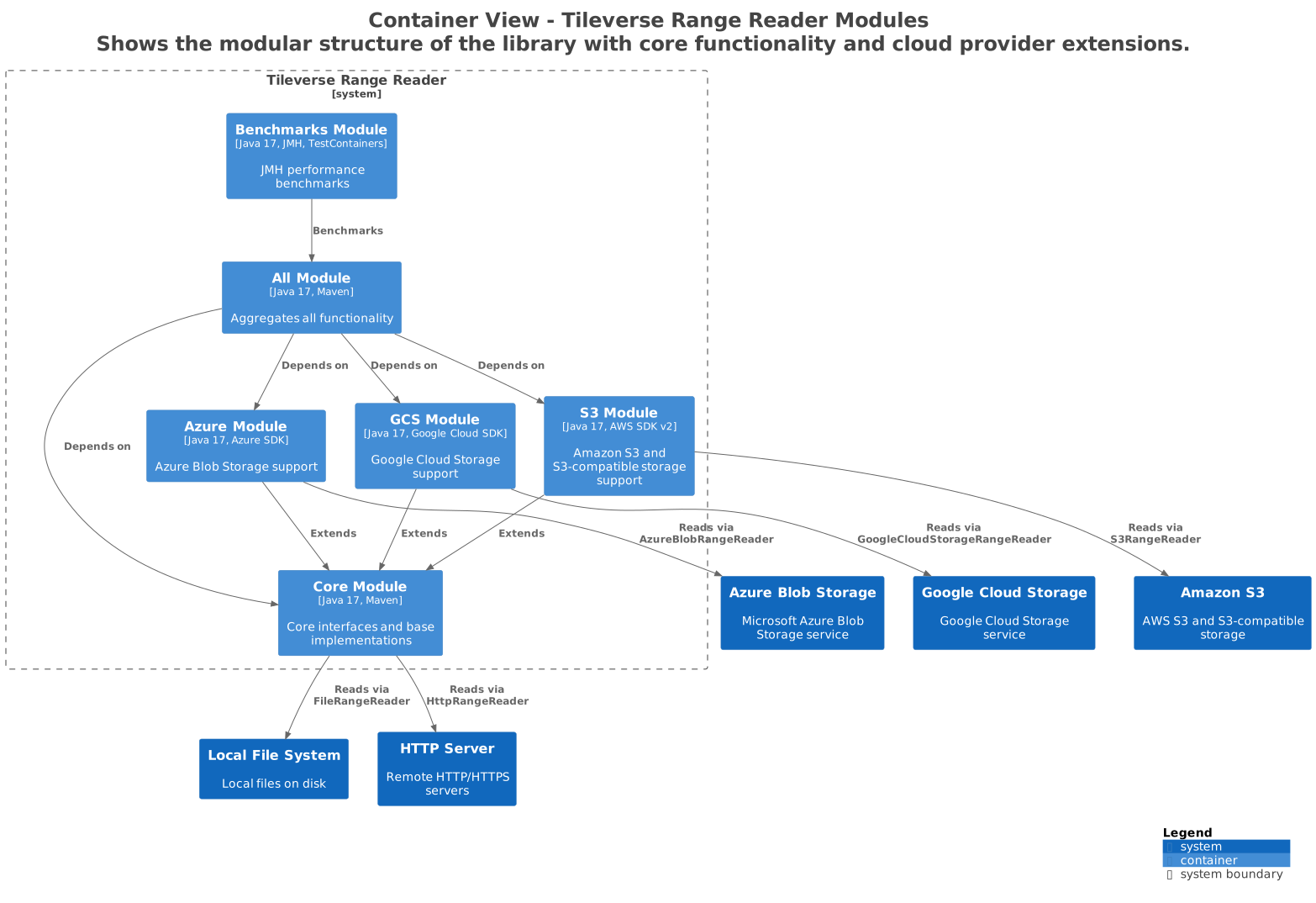
To avoid "dependency hell" (e.g., conflicting Netty versions between Azure and AWS SDKs), the core module has zero heavy dependencies.
tileverse-rangereader-core: Lightweight. Only depends on SLF4J and Caffeine.tileverse-rangereader-s3: Pulls in AWS SDK.tileverse-rangereader-azure: Pulls in Azure SDK.
This allows consumers to pick exactly the providers they need.